
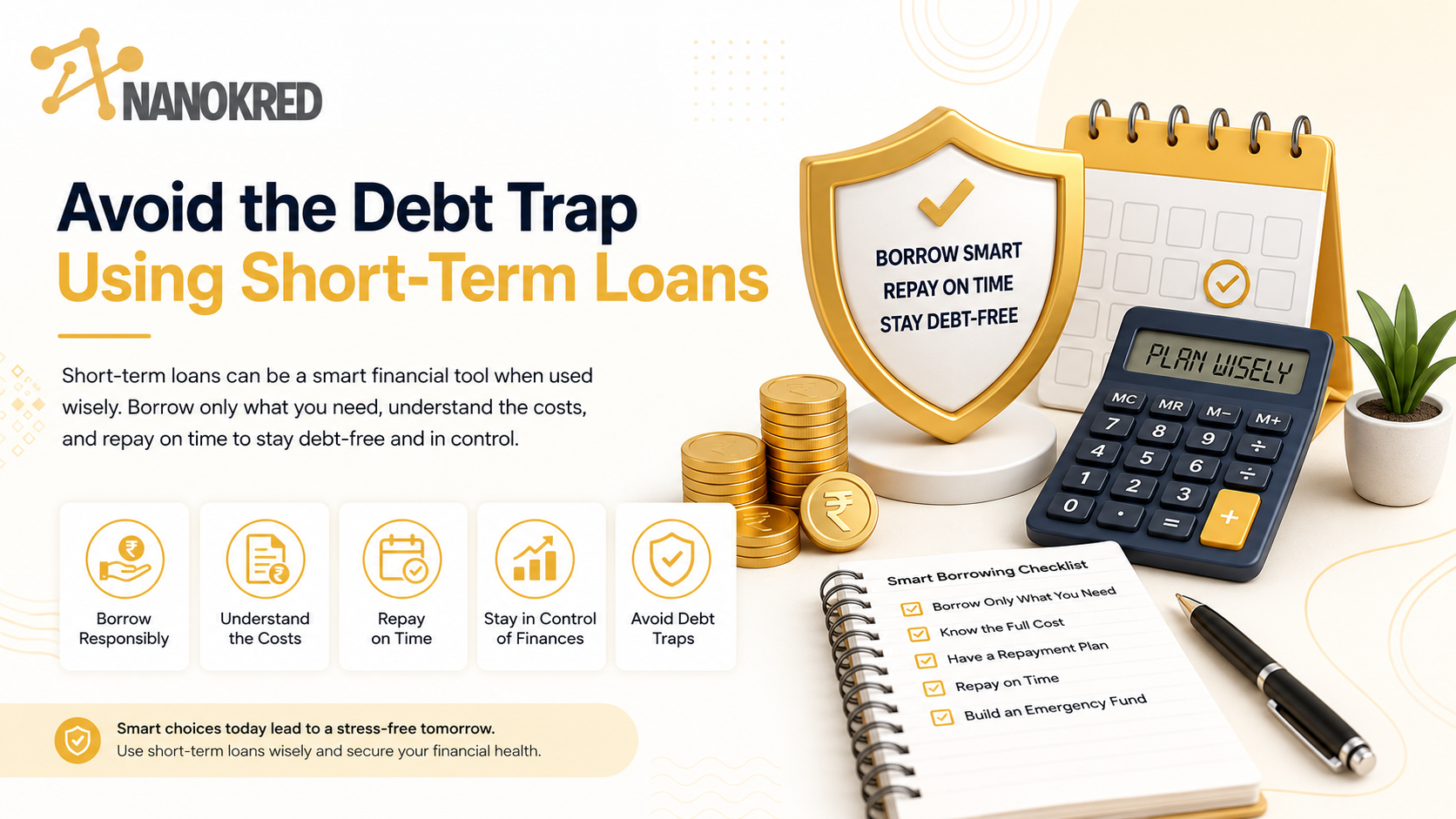
A debt trap rarely begins with a huge loan. More often, it starts with a small shortage before salary day. Then next month feels tight because last month's loan had to be repaid. Another loan fills the new gap. After a few rounds, salary starts feeling like it belongs to lenders before it reaches you.
Short-term loans can help in genuine emergencies, but repeated use without a plan is where danger begins.
How the trap starts
The first loan may be for rent, medical expenses, school fees, or a vehicle repair. The problem begins when repayment leaves too little for the next month. If groceries, utility bills, or commute money then require another loan, the cycle has started.
A loan should close a gap. If it creates the next gap, stop and review the pattern.
Do not borrow to repay blindly
Borrowing from one place to repay another can sometimes reduce cost if planned carefully, but doing it in panic usually makes the situation worse. More fees, more due dates, and more stress enter the month.
Keep loan amounts small
Borrow only the shortage, not the maximum approved amount. If the school fee gap is Rs. 4,000, taking Rs. 12,000 because it is available adds unnecessary repayment pressure.
Protect salary-day essentials
Before accepting a loan, subtract repayment from your next salary. Then check rent, food, transport, bills, EMIs, medicines, and family support. If essentials do not fit, the loan is too heavy.
- Borrow less than eligibility.
- Match repayment with salary date.
- Avoid multiple due dates.
- Keep emergency expenses separate from lifestyle spending.
Know the warning signs
Repeated extensions, missed calls from lenders, hiding loans from family, using credit for groceries every month, or feeling anxious on salary day are signs to pause. Financial stress becomes harder when ignored.
Myths that keep people stuck
One myth is that a bigger loan will solve everything. Sometimes it only hides the issue for longer. Another myth is that small loans do not matter. Several small loans can damage cash flow faster than one planned EMI.
Steps to break the cycle
List every loan, due date, repayment amount, and charges. Prioritise overdue and high-cost loans. Cut temporary expenses. Ask for payment plans where possible. If family support is available and safe to discuss, honesty may reduce pressure.
- Stop new non-essential borrowing.
- Write all dues in one place.
- Pay the most urgent dues first.
- Build a small buffer after clearing debt.
Frequently Asked Questions
Is one short-term loan dangerous?
Not necessarily. The risk rises when borrowing becomes repeated or repayment is unclear.
Should I consolidate debt?
Only if the total cost reduces and the EMI is affordable. Do not consolidate without reading terms.
What if I already missed payments?
Contact the lender, understand dues, and make a realistic repayment plan.
Summary
Avoiding the debt trap requires honesty before the problem grows. Borrow for real needs, keep amounts small, protect essentials, and treat repeated borrowing as a signal to fix the budget.