
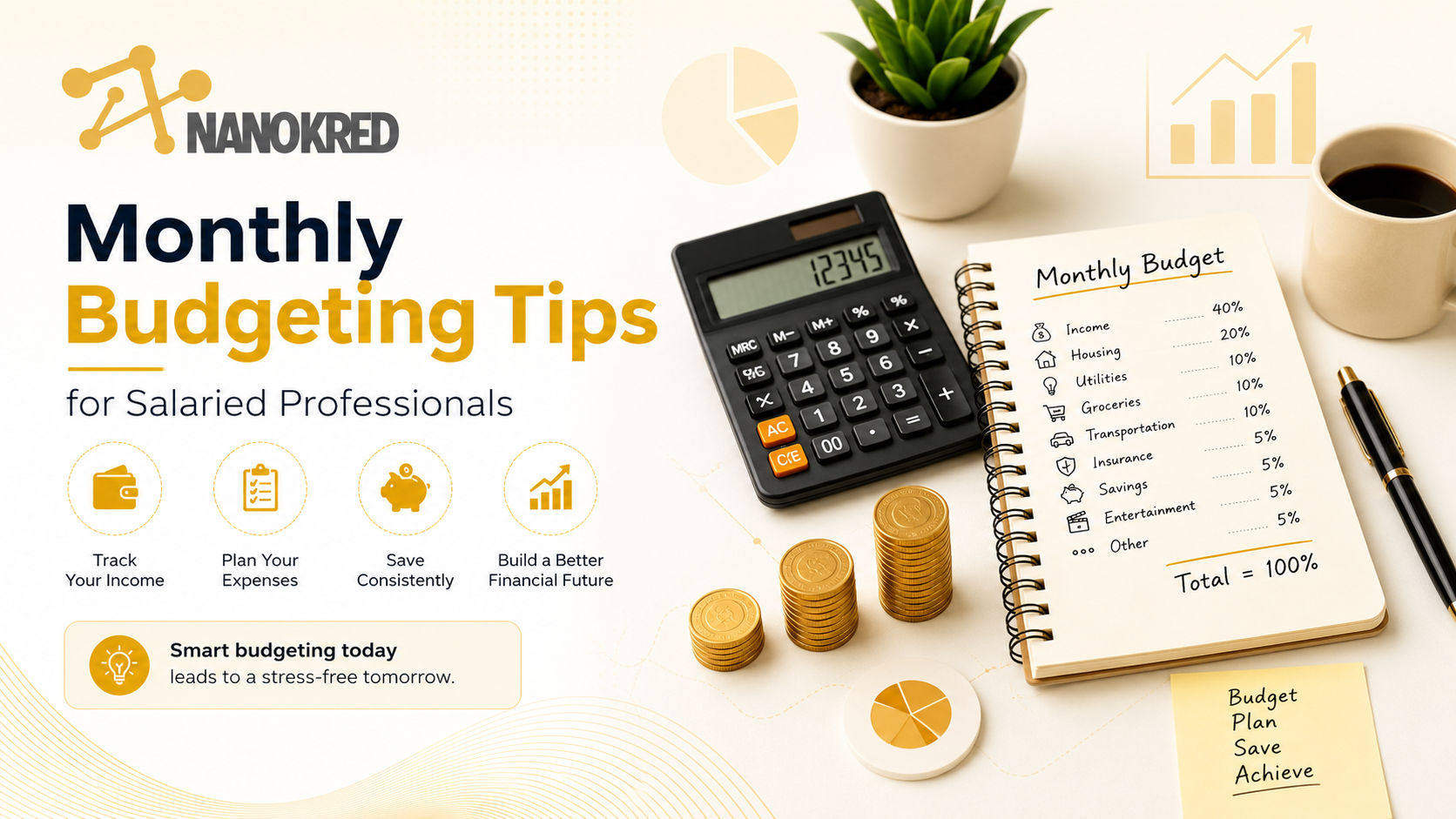
A salary can look comfortable on the first day and strangely small by the third week. This happens even to people who are not careless. Rent, groceries, commute, EMIs, family support, subscriptions, medicines, and small UPI payments quietly divide the month.
Budgeting is not about becoming strict with every cup of tea. It is about knowing what your salary must do before the month begins making decisions for you.
Begin on salary day
The best budget starts when salary is credited. Pay rent, EMIs, school fees, insurance, and fixed bills first. Move savings next, even if the amount is small. What remains is the real spending amount for the month.
Money left after fixed commitments is not leftover salary. It is the amount that must carry daily life until next payday.
Separate fixed and flexible costs
Fixed costs include rent, EMIs, utility bills, school fees, insurance, and subscriptions. Flexible costs include eating out, shopping, entertainment, fuel variations, gifts, and unplanned travel. Fixed costs need discipline. Flexible costs need boundaries.
Most salary leaks happen in flexible spending. A few food orders, cab rides, small online purchases, and festival extras can disturb the final week.
Plan for irregular months
Some months are naturally expensive: school reopening, Diwali, weddings, insurance renewal, travel to hometown, medical check-ups. These are not surprises if you can see them coming. Save a small amount before they arrive.
Use buckets instead of one balance
When all money sits in one account, it looks available. Create mental or actual buckets: rent, bills, groceries, travel, savings, family, personal spending, emergency. Even a simple notes app list can help.
- Essentials first.
- Savings early.
- Flexible spending capped.
- Emergency money separate.
Keep EMIs under control
EMIs reduce flexibility. One EMI may be fine. Several small EMIs can make salary feel tight. Before adding any loan, check what percentage of income already goes to repayments.
Budgeting mistakes to avoid
Do not make a budget that depends on perfect behaviour. Do not ignore family obligations. Do not forget annual payments. Do not treat credit card limits as income. And do not wait until money is almost over to start tracking.
Build a budget you can repeat
A realistic budget leaves some room for enjoyment. If the plan is too tight, it breaks. Keep one modest personal spending amount. Budgeting should reduce guilt, not create it.
- Review last month's statement.
- List fixed commitments.
- Set a weekly spending limit.
- Move savings early.
- Check progress every Sunday.
Frequently Asked Questions
How much should I save monthly?
Start with what is possible. Even 5 percent is better than waiting for a perfect amount.
Should I use a budgeting app?
Use one if it helps, but a notebook or spreadsheet is enough.
What if my salary is already tight?
Start by tracking, not cutting. You need visibility before decisions.
Summary
A good monthly budget gives every rupee a job before the month becomes messy. Start on salary day, separate fixed and flexible expenses, plan irregular costs, and protect a small emergency cushion.